60–90 Day Median: Exact Match Sports Card Comps for Collectors
By Ripbin Research · Published 2026-09-11

60–90 Day Median: Exact Match Sports Card Comps for Collectors
Sports card comps are recent completed sales of the same card, in the same grade and parallel, used to establish what it’s actually worth right now. The fastest path to a usable comp: go to eBay, filter to “Sold items,” lock in the exact grade and parallel, then pull the last three to five sales. Ignore active listings and asking prices entirely. They tell you what sellers want, not what buyers pay.
TL;DR:
- Match the card’s grade, parallel, and autograph type exactly, and avoid mixing raw and graded sales to ensure accurate comparisons.
- Use a 30 to 90-day window for recent sales, with a median price instead of an average, to reduce the influence of outliers.
- Consider market conditions, player news, and seasonality, as these factors can cause short-term price fluctuations that may distort comps.
- Population reports help assess scarcity and reliability of recent sales, with low population cards providing more weight to each comp.
- Avoid relying on asking prices or listings; only sold sales reflect actual market value and should inform buying or selling decisions.
Table of Contents
- Where to Find Reliable Sports Card Comps
- Getting the Match Exactly Right
- Building a Comp Window You Can Trust
- What Changes a Sale’s Value as a Comp
- Turning Comps Into a Buy or Sell Price
- Running This Workflow With Live Data
- Why Population Reports Matter for Your Comps
- Player News and Popularity Move Prices Fast
- Seasonality Shapes the Whole Market
- Adjusting Comps for Edition and Set Variations
- Spotting Undervalued and Overvalued Cards
- Common Mistakes and the Weekly Habit Worth Building
- Try the Comping Workflow With Live Ripbin Data
- Sources
- FAQ
Where to Find Reliable Sports Card Comps
eBay handles most individual card sales, so its “Sold items” filter is where you start every comp search. Set the filter, match your card exactly, and you’re looking at real transaction data instead of hopeful pricing.
That said, eBay isn’t the only source worth checking:
- eBay sold listings show what buyers actually paid, and volume there makes it the primary market signal for most individual card sales.
- Price guide databases aggregate sold data across platforms and let you filter by grade and set faster than scrolling eBay manually.
- Auction houses (Goldin, PWCC, Heritage) matter most for high-end vintage and graded gems, where fewer transactions happen but each one carries weight.
- Card shows and local shops give you real-time buyer sentiment, though prices there often run soft since shops need margin to resell.
Auction results and fixed-price sales tell different stories. An auction result reflects competitive bidding among multiple buyers, which usually tracks market value more accurately than a single fixed-price sale, where you only know that one buyer agreed to one number.
Getting the Match Exactly Right
A comp is only useful if it’s comping the same card. Mixing grades, parallels, or autograph types produces a number that looks precise and means nothing. Follow these matching rules in order:
- Match the grading company and the grade. A PSA 9 and a BGS 9 are not interchangeable. PSA population reports and grading standards differ enough that the two companies often produce different price tiers for what looks like the same condition.
- Match the parallel and serial number tier separately. A base card numbered to /199 sells for a fraction of a /10 or a true 1/1, and serial-numbered parallels create distinct price steps rather than a smooth curve. Never average across tiers.
- Separate autograph types. An on-card autograph and a sticker autograph of the same player carry different collector demand, even in the same set and grade.
- Never mix raw and graded comps. A raw card’s value and its graded counterpart’s value live in different markets entirely, since grading changes both liquidity and buyer confidence.
- Widen your matching only for genuinely rare cards, and flag any comp built this way as low confidence rather than treating it as solid ground.
Skipping any of these steps is the single most common source of bad pricing. Analysts tracking hobby mistakes point to mixed raw/graded comparisons and averaged parallels as recurring errors that inflate or deflate perceived value.
Building a Comp Window You Can Trust
Pulling three random sold prices and calling it a day is how collectors get burned. A repeatable method needs a defined time window, a median instead of an average, and a confidence check before you trust the number.
Start with an adaptive window based on how often the card trades:
- 30 days for common modern base cards and high-volume rookies, where enough sales happen weekly to keep the window tight.
- 60 to 90 days for graded cards and mid-tier serial numbered parallels, balancing recency against sample size.
- 180 days or more for vintage, low-population, or rarely traded cards, where you simply won’t find enough recent sales otherwise.
Statistic: Most pricing guides recommend a 60 to 90 day rolling median for the bulk of graded and serial-numbered cards, adjusting the window shorter or longer based on how frequently that specific card actually sells.
Use the median, not the average. One outlier sale, whether it’s a panic sale or a bidding war between two collectors chasing a set, skews an average badly. A median shrugs it off. For your confidence signal, weigh three things: sample size (more sales, higher confidence), spread (tight clustering versus wild swings), and recency (last week beats last quarter). Low confidence means widen the window before you set a price, list at auction to let the market decide, or hold the card and check back in a few weeks.
What Changes a Sale’s Value as a Comp
Two “identical” sold listings can represent very different market conditions. Before you count a sale as a clean comp, check these details:
- Slab condition. Chips, cracks, or an older grading label can quietly discount a graded card, even when the grade number matches.
- Auction end time. A listing that closed at 3 a.m. on a Tuesday saw less bidder traffic than one that ended Sunday evening, and that gap shows up in the final price.
- Shill bidding patterns. Watch for a bid history with the same handful of accounts pushing the price up right before close.
- Bundled lots. A card sold alongside three others in one listing isn’t a clean single-card comp, no matter how good the photo looks.
- Buyer geography and shipping terms. International sales sometimes carry inflated totals once shipping gets folded into the final price shown.
Pro Tip: Keep a one-line note next to every comp you pull. “Ended Tuesday 4am, low bid count” takes five seconds to write and saves you from citing a garbage sale three months later.
Turning Comps Into a Buy or Sell Price
Once you’ve got your matched, windowed, median-based number, you have a market price. What you do with it depends on whether you’re buying or selling.
- Set market price as the median of your matched comps. This is your anchor number, not your final answer.
- For selling, pick a strategy band. List at the median for a balanced approach, median plus 5% if you want to maximize return and can wait, or median minus 5 to 10% if you need a fast sale and cash matters more than squeezing out every dollar.
- For buying, target roughly 80% of market price as your opening offer. Buyers commonly aim for that range as a fair starting point, leaving room to negotiate up.
- Choose auction versus buy it now based on confidence. High confidence and steady demand favor a fixed price. Thin comp history favors an auction, letting real bidders establish the number instead of you guessing.
- Factor in fees before committing. Marketplace fees eat into both auction and fixed-price sales, so build that into your floor before you list.
- Hold raw cards for grading, or hold graded cards for more comps, when your current sample size is too thin to trust.
Running This Workflow With Live Data
Ripbin tracks live market data across more than 78,000 sports and Pokémon cards, pulling real sale prices instead of asking prices. The scan feature identifies a card and surfaces its value instantly, the collection locker tracks what you own, and monthly investment reports flag cards worth watching.
The practical workflow looks like this: scan the card, apply exact-match filters for grade and parallel, pull the windowed sold history, compute the median and confidence score, then pick your listing tactic. Saad’s buy reports add market context on top of that, helping you decide whether current pricing reflects real demand or a temporary spike tied to recent news.

Why Population Reports Matter for Your Comps
A population report tells you how many copies of a specific card exist at each grade, and it changes how much weight you should give any single comp. If PSA has graded 4,000 copies of a card at a 9, one recent sale is a decent data point but not gospel. If the population report shows only 12 copies at that grade, a single sale might be the only comp you’ll find this quarter, and it deserves more scrutiny, not less trust.
Population reports also explain why identical-looking cards from the same set can carry wildly different prices. A rookie card with a thin population at PSA 10 because the print run itself was tiny commands a real scarcity premium. A rookie card with a thin population at PSA 10 because the grading company rejected most submissions for centering issues reflects something different: most collectors own a technically inferior copy, and the few PSA 10s represent a real outlier.
Check the population number alongside your grade and parallel match every time. A rising population count over several months usually means more copies keep getting graded and submitted, which can soften prices even if demand stays flat. A flat or shrinking population, paired with steady or rising sale prices, is a stronger signal that scarcity is doing real work in the price.
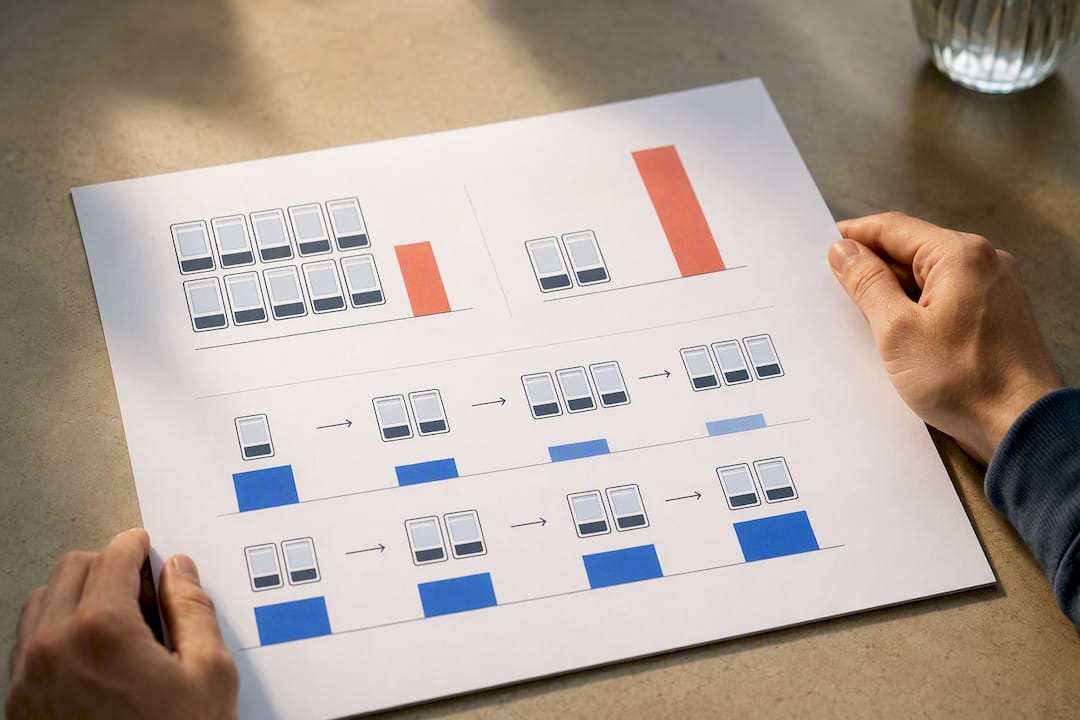
Population reports won’t replace your comp research. They contextualize it. A card with five recent sales and a huge population behind it deserves more weight than a card with five recent sales and almost no graded copies anywhere, because the second scenario means you might be looking at nearly the entire available supply of comps that will ever exist.
Player News and Popularity Move Prices Fast
A comp pulled last week can go stale overnight when a player makes news. A no-hitter, an MVP award, a trade to a bigger market, or even a viral highlight clip can push demand for that player’s cards up within hours, and eBay sold prices reflect that lag before most price guides catch up.
This cuts both ways. Injuries, off-field controversy, or a disappointing season can drag comps down just as fast. A rookie card that looked like a smart buy in April can lose real value by August if the player gets sent down or traded for a bench role. Watching team and player news isn’t optional if you’re pricing anything tied to an active career.
Postseason performance in particular tends to spike short-term demand for specific players, especially rookies having a breakout run. If you’re pulling comps during or right after a playoff push, treat that window with caution. Prices set during a hot streak often cool once the season ends and attention shifts elsewhere. A 30-day comp window pulled in the middle of a World Series run can look nothing like the same card’s price three months later.
Retired players and Hall of Fame classes follow a slower but similar pattern. Induction announcements, documentaries, and anniversary milestones (a 50th anniversary of a rookie season, for example) can reignite demand for vintage cards that had been flat for years. If you’re comping a legacy card, check whether any recent news explains an unusual price spike before assuming it’s the new normal.
Seasonality Shapes the Whole Market
Sports card prices move with the calendar, not just with individual player performance. The lead up to major drafts, the start of each season, and the postseason all create predictable demand waves that show up clearly once you start tracking comps over time.
Rookie cards for a strong incoming draft class often see a price run-up in the weeks before the draft itself, driven by speculation rather than actual on-field results. That speculative pricing can be volatile.
Football and basketball both see demand spikes tied to their seasons kicking off, while baseball card activity often ramps ahead of Opening Day and again during the postseason. Holiday season, particularly November and December, tends to boost overall hobby activity as collectors buy gifts and cash in year-end bonuses on grails they’ve been chasing.
This means the comp window you choose matters even more around these periods. Pulling a 30-day window in early October for a football rookie captures a very different market than pulling the same window in July. If you’re pricing during a known seasonal spike, note it next to your comp, and consider whether the price will hold once the wave passes or whether you’re looking at a temporary bump.
Long-term market trends matter too. The broader hobby went through a well-documented boom and correction cycle in recent years, and overall sports card market health affects even well-matched comps. A card can be perfectly comped by grade and parallel and still be worth less this year than last, simply because overall collector spending pulled back.
Adjusting Comps for Edition and Set Variations
Set names alone don’t guarantee an apples-to-apples comp. The same player’s rookie season can produce cards across a dozen different products (Topps, Bowman, Panini, and others depending on the sport) and within each product, edition differences change value substantially.
Base sets, chrome versions, and refractor editions of the same underlying design often diverge sharply in price. A base rookie card and its chrome refractor counterpart from the same set can carry a five to ten times price gap despite showing the same player and the same season, simply because the finish and print run differ.
First edition versus later print runs matters for some sets too, particularly in the Pokémon side of the hobby but occasionally in sports cards where a product gets a short print variant or a factory set exclusive. Always confirm you’re comping the exact edition, not just the exact set name, before trusting the number.
Insert sets and short prints add another layer. A numbered insert pulled from the same product as a base rookie card operates in its own market entirely, with its own population and its own demand curve. Comping an insert against base card sales, or vice versa, produces a meaningless number even though both cards technically belong to the same release.
When you’re unsure whether two listings represent the same edition, check the card number printed on the card itself rather than relying on the seller’s title. Sellers frequently misname editions, intentionally or not, and a mismatched card number is the fastest way to catch it before it corrupts your comp set.
Spotting Undervalued and Overvalued Cards
Comps aren’t just for pricing a card you already own. They’re a screening tool for finding cards trading below or above what the underlying data supports.
A card looks undervalued when its recent sold prices sit well below its historical median without a clear reason (no injury, no bad news, no oversupply from a recent group break). That gap often closes once broader attention returns to the player, particularly heading into a new season or a milestone chase.
Overvalued cards show the opposite pattern: a price spike driven by a single viral moment, a short-term hot streak, or hype around a rookie class that hasn’t been tested by a full season yet. Comping the card against its own price history from six months earlier, rather than just its most recent sales, usually reveals whether the current price reflects sustained demand or a temporary spike.
The clearest tell is a widening gap between active listing prices and actual sold prices. When asking prices run far above recent solds and stay there for weeks without selling, it usually means sellers are chasing a number the market has already moved past. Track that gap directly rather than trusting the listing price at face value.
Common Mistakes and the Weekly Habit Worth Building
The mistake I see most often: collectors treat an asking price like it’s a comp. It isn’t. Only sold listings count. Keep a simple weekly log of three to five recent solds with quick notes on anything unusual about the listing. When you need cash fast, take the shop offer even if it’s light. When you’re chasing full value, list and wait.
— Saad
Try the Comping Workflow With Live Ripbin Data
The platform provides exact-match comps, live sold data, and a confidence signal without charging to browse. Scan a card and get an instant value pulled from actual recent sales, filtered to the right grade and parallel automatically instead of you doing the filtering by hand.

The platform tracks a large number of cards, so many cards in your collection may have live price histories available. Scan a card you own or head to the browse cards page to see how comps and confidence scores play out on real listings. If you want the deeper pricing and investing playbook behind the numbers, the investing guide walks through the same median and confidence approach this article covers, applied across real card examples. Start with one card in your locker and see what the current market actually says about it.
Sources
- How to price sports cards in 2026 — the pricing playbook | RocketVault Blog
- Do not guess the price tag: this is how to comp sports cards | Sporting News
- Si
- Sports Card Value: How to Check What Your Cards Are Worth (2026) | ValueSnap Blog
FAQ
What Are Comps in Sports Cards?
Comps are recent completed sales of the exact same card, grade, and parallel, used to establish current market value instead of relying on asking prices.
Where Can I Find the Best Comps for Sports Cards?
eBay’s “Sold items” filter is the primary source for most cards, since it handles the highest sales volume; auction houses and platforms like Ripbin add live data and confidence scoring on top of that.
What Is the Best Way to Get Comps for Sports Cards?
Filter completed sales to the exact grade, grading company, and parallel, pull three to five recent solds within an adaptive window, and use the median rather than the average.
How Do I See Sports Card Comps on eBay?
Search your card, select “Sold items” under the filter menu, then narrow by grade and parallel using the listing titles and photos to confirm an exact match.
How Many Recent Sales Should I Use for a Reliable Comp?
Most collectors use three to five recent solds within their chosen time window, weighting more recent sales and larger sample sizes as higher confidence.